The Living Tradition of Jonang
Situated on the cedar ridges of Shimla, Main Jonang Takten Phuntsok Choeling maintains the unbroken rhythm of monastic life—from dawn and prayer assemblies to rigorous , sacred arts, and environmental stewardship.
The Monastic Clock: A Day on the Ridge
ཉིན་རེའི་དུས་ཚོད་དང་འཚོ་བའི་རིམ་པ།Monastic time is measured not by mechanical clockwork, but by sacred sound cues that structure prayer, scholarship, physical labor, and restorative quiet from pre-dawn mist to starlight.
The monastic atmosphere awakens with the sweet, resinous aroma of wild mountain juniper (shug pa) ignited inside whitewashed outdoor kilns (bsang khang), mingling with the nutty richness of brick tea, melting butter lamps (mar me), and rain-soaked deodar needles.
From the sharp syncopation of the and the deep drone of dungchen long-horns to the subterranean resonance of overtone chanting and clashing debate palms, the monastery resounds with acoustic mindfulness.
Gandi Slit-Gong & Horn Call
གཎྜི་དང་དུང་ཆེན།The morning wakes with the rhythmic, syncopated clack of the wooden gandi slit-gong, building to a rapid crescendo across the deodar pines, answered by the deep reverberation of the brass dungchen horns.
Morning Liturgical Assembly
ཞོགས་ཚོགས། (ཚོགས་ཆེན།)The monastic sangha convenes in the Main Prayer Hall ('du khang) for the Praises to the Twenty-One Tārās (sgrol ma), lineage refuge prayers, and solemn auspicious dedications.
Morning Tea & Root Recitation
ཞོགས་ཇ་དང་བློ་འཛིན།Junior tea servers circulate with steaming butter tea (bod ja) and tsampa. Monks engage in individual memorization (blo 'dzin) of foundational root treatises and philosophical texts.
Shedra Classes & Novice Calligraphy
དཔེ་ཁྲིད་དང་དག་བྲིས།Formal classroom lectures on Buddhist epistemology (pramāṇa), classical Tibetan grammar (sum rtags), and novice penmanship practice on chalk-dusted wooden slates (byang shing).
Communal Lunch & Grounds Maintenance
གདུགས་ཚོད་དང་ཕྱག་ལས།The primary hot meal in the monastic dining hall (za khang)—tingmo steamed buns, lentils, rice, and fresh vegetables—followed by light chores and personal laundry.
Specialized Treatises & Sacred Arts
གཞུང་ཆེན་དང་མཆོད་རྫས་སྦྱོང་བརྡར།Advanced Madhyamaka study, Kalachakra liturgical training, ritual music instruction (cymbals, gyaling oboes), and the sculpting of intricate ceremonial butter cakes (torma).
Evening Dharmapāla Protector Assembly
དགོང་མོའི་བསྐང་གསོ།Chanting of protector fulfillment rituals (bkang gso) honoring Mahākāla and Palden Lhamo, accompanied by the measured clash of sil snyan cymbals and thunderous bass drums (rnga).
Evening Nourishment & Tea
དགོང་ཇ་དང་ཐུག་པ།A light evening repast of traditional warming noodle soup (thukpa / bag thug) or sweet milk tea with fresh mountain flatbreads.
Dialectical Debate Assembly
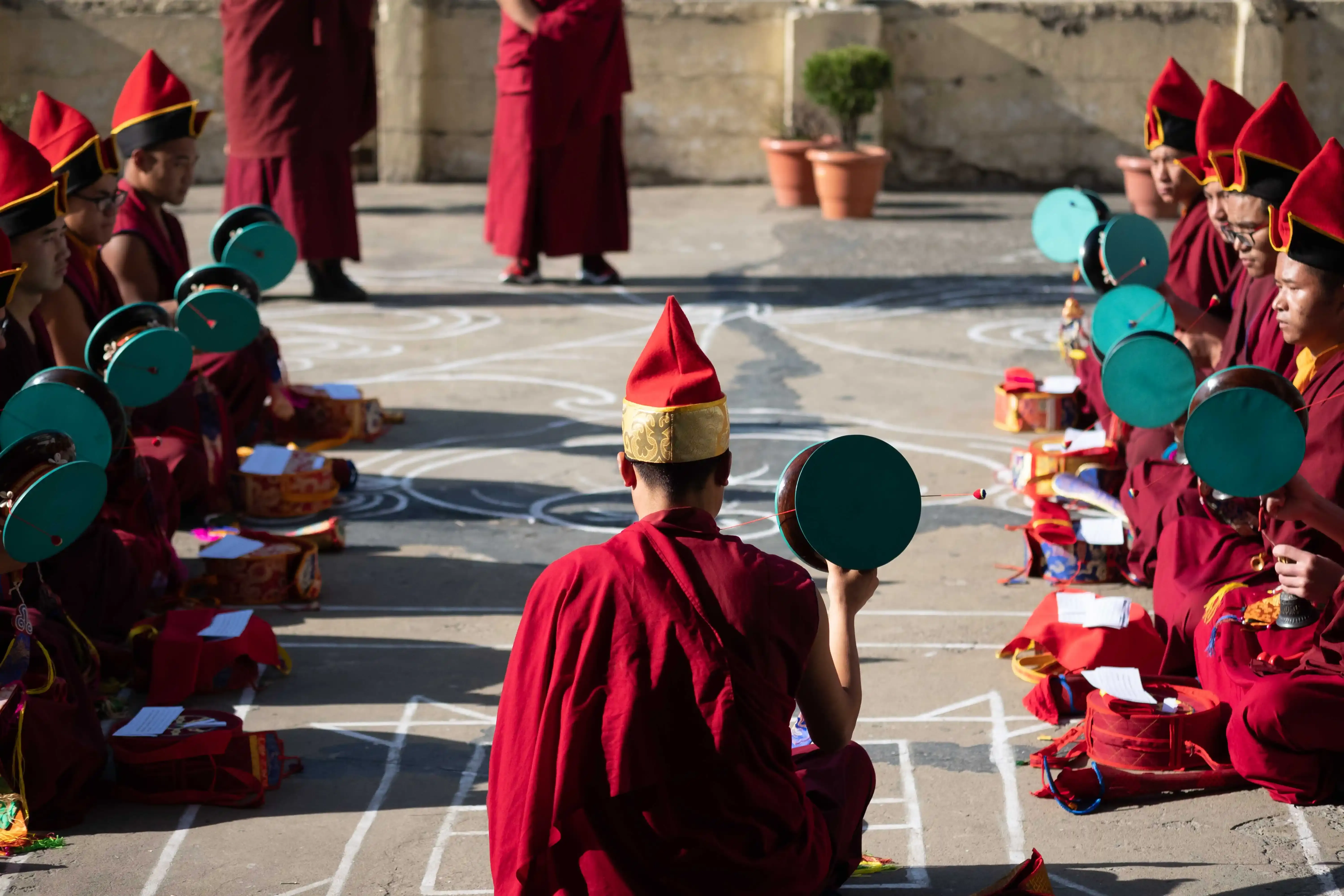
ཆོས་རྭའི་རྩོད་པ།High-energy dialectical debate in the open-air courtyard (chos rwa). Pairs of monks test epistemological definitions and philosophical logic through vocal sparring and kinetic hand-claps.
Bedside Recitations & Dormitory Lights Out
མཚན་མོའི་ཁ་ཏོན་དང་གཟིམ་ཁང་།Quiet individual prayer commitments and mantra recitations in residential quarters before the monastery settles into quiet Himalayan nightfall.
The Kinetic Theater of Debate (Chö-ra)
ཆོས་རྭའི་རྩོད་པ། བློ་གྲོས་ཀྱི་རྩལ་སྦྱོང་།Debate in the Tibetan monastic courtyard is neither cold scholastic dialogue nor hostile confrontation. It is an embodied martial art of logic—joyful, rigorous, and dedicated to severing the roots of ignorance.
Each evening under the courtyard floodlights, the monastery debate courtyard (, chos rwa) transforms into a theater of dialectical combat. Monks pair off: the Defender () sits calmly cross-legged on a low felt cushion, while the Questioner () stands, circles, and launches rapid-fire formal syllogisms.
The practice is intensely egalitarian. Rank and age vanish on the stone flagstones: a sharp sixteen-year-old novice can cross-examine a senior Geshe. If the master falters in his premises, the entire circle of onlookers erupts into good-natured laughter, chanting "Khyi! Khyi!" ("You dog!"), signaling that the opponent's reasoning has strayed from the path.
Through hundreds of hours of sparring, fear of public failure vanishes. Young monks learn to withstand intense intellectual scrutiny with equanimity, replacing defensive pride with intellectual agility and genuine humility.
Challenging premises through Pramāṇa logic, where every gesture carries centuries of symbolic intent.
The Anatomy of the Questioner's Clap
Sword of Mañjuśrī
འགྱིང་སྟབས་དང་རལ་གྲི།The challenger circles the seated respondent, extending his left hand outward and raising his right arm high overhead—brandishing the invisible sword of transcendent wisdom (prajñā) poised to sever conceptual doubt.
Wisdom & Compassion Union
ཐལ་འཕེན་པའི་སྒྲ།With a swift, sweeping motion, the right palm strikes down into the open left hand with a sharp crack, symbolizing the union of wisdom and compassionate skillful means (upāya), while slamming shut the gates of rebirth.
Subduing Ego & Delusion
ཞབས་བརྡབས།As the hands strike, the challenger's left foot stamps down firmly onto the courtyard paving stones, enacting the symbolic subjugation of ignorance and the crushing of cyclical self-fixation.
Rhythmic Dialectic
ཕྲེང་བའི་བརྡ་རྟགས།Brandishing his prayer beads coiled around his left wrist, the challenger sweeps them forward to punctuate formal syllogistic premises, accompanied by the piercing seed cry 'Dhih!'—the invocation of Mañjuśrī.
The Monastic Hearth: Butter Tea & Sustenance
ཇ་ཁང་དང་གསོལ་ཚིགས། དགེ་འདུན་པའི་ཞལ་ལགIn the crisp Himalayan climate of Shimla, nourishment is an essential communal rhythm. The monastic kitchen cauldrons bubble from 4:30 AM, warming cold mornings and sustaining hours of intense contemplative study.
Po Cha (Butter Tea)
བོད་ཇ། / སྲུབ་ཇ།Compressed brick tea leaves (ja ril) boiled into a dense dark liquor, then churned with rich butter, fresh milk, and rock salt. Served scalding hot in birch-burl wooden bowls (phor pa) throughout morning assemblies.
Highland Tsampa
རྩམ་པ།Roasted highland barley ground into fine nutty flour. Mixed by hand with hot butter tea and dried mountain curd (chura), rolled into dense dough dumplings (pak) that sustain long hours of meditation.
Tingmo & Thukpa
ཀྲིང་མོ་དང་ཐུག་པ།Fluffy yeast-steamed rosette buns (tingmo) paired with savory spiced lentils at midday, followed at dusk by hand-pulled noodle broth (thukpa) or pinch dumplings (bhatuk) with mountain vegetables.
The Craft of the Tea Master (Ja Ma)
In Tibetan monastic culture, the head cook (ja ma) holds a position of immense communal esteem. Preparing butter tea for dozens or hundreds of monks requires boiling compressed brick tea (ja ril) for hours until it yields a rich, dark concentrate (ja dang). This essence is churned with fresh butter, wholesome milk, and pure rock salt, achieving a velvety emulsion.
During extensive prayer services, adolescent monks appointed as tea servers (chab ril) weave through the long assembly rows with heavy, long-spouted kettles (tib ril). Monks draw polished wooden birch-burl bowls (phor pa) from the deep folds of their maroon robes, blowing back the shimmering golden film before sipping. Leaving a half-filled bowl signals readiness for continuous, warm hospitality.
Sacred Crafts: Woodblock Carving & Mineral Pigments
དགོན་པའི་བཟོ་རིག་དང་འཛམ་ཐང་གི་སྲོལ་རྒྱུན།The physical preservation of the Jonang lineage survived centuries in the isolated mountain valleys of Amdo Dzamthang through an extraordinary tradition of artisanal woodblock printing, natural mineral thangkas, and sacred geometry.
Xylography (Par Shing)
ཤིང་པར་གྱི་སྲོལ་རྒྱུན།Birch and pear-wood blocks chiseled in reverse relief by master carvers. Monks ink the blocks with carbon soot ink and hand-press them onto insect-resistant daphne root paper (shog gu), producing scriptures that endure for centuries.
Mineral Thangka Pigments
རྡོ་ཚོན་དང་གསེར་ཆུ།Artisans pulverize raw Himalayan minerals: lapis lazuli (mthing) for sky and water, malachite (spang ma) for mountain greens, and cinnabar (mtshal) for vermilion robes. Shimmering details are gilded in real gold leaf burnished with agate.
Ritual Butter Sculptures (Torma)
དཀར་རྒྱན་གཏོར་མ།Consecrated roasted barley dough sculpted according to canonical geometric proportions and adorned with floral medallions formed from clarified, dyed butter—crafted for annual Kālacakra and Monlam ceremonies.
The Living Palette: Crushed Minerals & Pure Gold
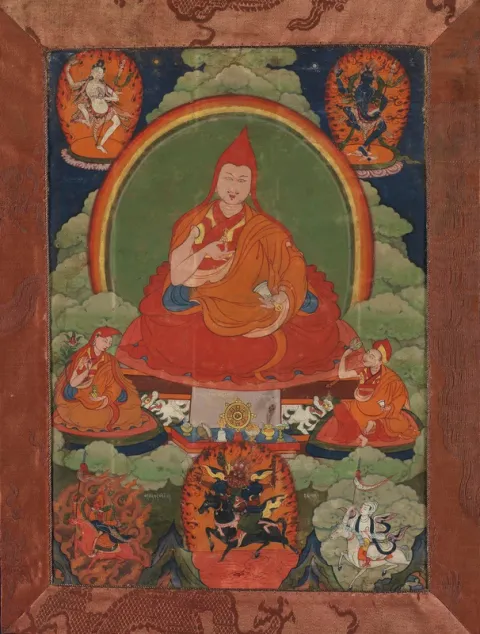
Unlike modern synthetic pigments, the classical palette of the Jonang arts tradition relies exclusively on pulverized mountain minerals bound with purified organic hide glue.
| Mineral Source | Tibetan Term | Visual Hue |
|---|---|---|
| Lapis Lazuli | མཐིང་། (Mthing) | Deep ultramarine midnight blue |
| Malachite | སྤང་མ། (Spang ma) | Rich mountain emerald green |
| Cinnabar | མཚལ། (Mtshal) | Vivid vermilion cinnabar red |
| Orpiment | བ་བླ། (Ba bla) | Opaque warm solar yellow |
| Refined Gold Leaf | གསེར་ཆུ། (Gser chu) | Luminous gold, agate-stone burnished |
After completing the divine garments, artists burnish the dried gold details with an agate-tipped stylus (gzi), bringing out a radiant sheen that reflects light in the darkness of the temple shrine. Parallel to painting, monastic artisans cast consecrated votive clay tablets () embedded with relics, enshrining them within stupas and protective niches.
Himalayan Ecology & Community Life in Sanjauli
ཁོར་ཡུག་གཅེས་སྐྱོང་དང་ས་གནས་མཐུན་ལམ།Rooted on the cedar slopes above Shimla, Main Jonang Takten Phuntsok Choeling thrives in mindful equilibrium with Himachal Pradesh's mountain ecology and surrounding community.
Ahimsa, Mountain Ecology & Civic Harmony
Ahimsa with Mountain Wildlife: Sanjauli and neighboring Jakhu hill are renowned for native troops of Rhesus macaque monkeys. For the monastery, monkeys are daily companions rather than adversaries. Monks carry wooden staffs ('khar gsil) across the courtyards—not to strike, but to tap the flagstones firmly to deter food-snatching, honoring Buddhist non-violence toward all mountain creatures.
Environmental Arboriculture: Recognizing the fragility of the Himalayan watershed, resident monks participate in annual tree-planting drives, reinforcing steep ravines with indigenous pines and deodars, and conducting regular weekend cleanups to keep the forest pristine.
Bazaar Friendships & Local Amity: Monks in warm fleece jackets negotiate the Sanjauli market staircases alongside local Himachali, Pahari, and Punjabi merchants. During festivals like Tibetan Losar and Indian Diwali, gifts of deep-fried Tibetan pastries (khapsey) and festive Indian sweets (mithai) are warmly exchanged.
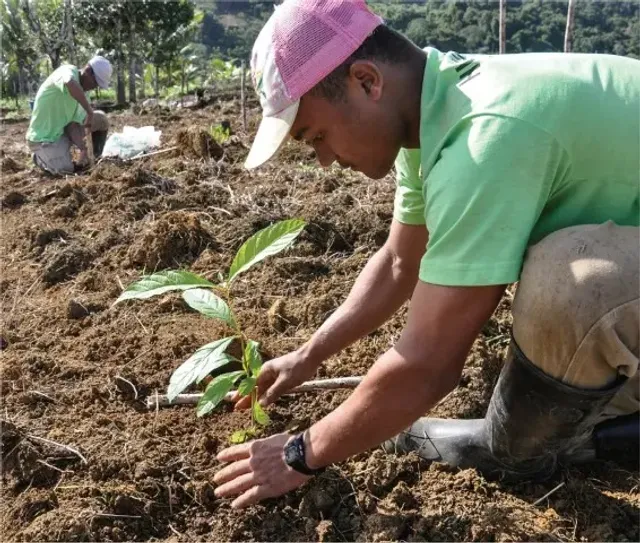
Preserving the deodar pine forests and slope stability of the Shimla hills through communal tree-planting.
Grounded Wisdom: Monastic Wit & Mountain Lore
དགོན་པའི་གཏམ་དཔེ་དང་བསླབ་བྱ།Himalayan monastic culture pairs profound meditative discipline with self-effacing humor, good-natured wit, and an intolerance for spiritual pretense.
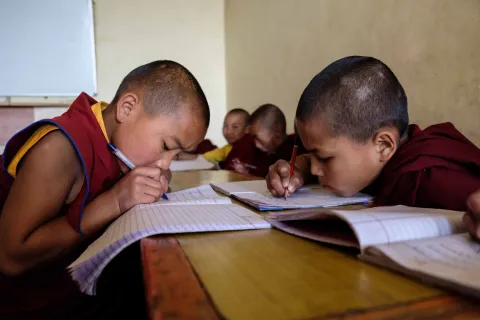
The Chalked Slate (Byang Shing)
Young boys entering the monastery—often arriving from remote Himalayan borderlands like Spiti, Kinnaur, Ladakh, and Nepal—begin their education with a planed pine board (byang shing) dusted in white chalk. With split-bamboo pens dipped in soot-ink, they master the thirty Tibetan consonants.
When an error is made, the boy simply licks his thumb or rubs a smooth river pebble over the board to refresh the slate. Between grammar lessons, novices tuck up their maroon robes for impromptu cricket or marble games in the courtyard, balancing sacred devotion with the playful innocence of youth.
Monastic Proverbs
"To meditate without scriptural study is like an armless person trying to climb a sheer cliff."
"In the company of others, guard your speech; when staying alone, guard your mind."
"When the ear of grain is heavy with yield, it bows its head; when the scholar is truly great, he is humble and gentle."
"Tea and teachers are best when hot."
Preserving the Living Lineage
Main Jonang Takten Phuntsok Choeling upholds continuous liturgical assemblies, shedra dialectical debates, and solitary retreats as a living sanctuary in exile, sustaining monastic formation for over one hundred resident monks.